

Over the last several years, suppressors have become an increasingly popular addition to modern hunting rifles. What was once considered a specialized accessory has become a common part of many hunters’ rifle setups. From lightweight backcountry builds to larger magnum hunting rifles, more hunters are looking at suppressors to improve their shooting experience. But are they worth adding to your hunting rifle?
Like most things in hunting, the answer depends on what you’re using your rifle for. Suppressors offer several benefits, including reduced muzzle blast, less felt recoil, and a more comfortable shooting experience. However, they also add weight and length to your overall setup. Before deciding whether a suppressor belongs on your next rifle, it’s important to understand what they do and how they can affect your hunt.
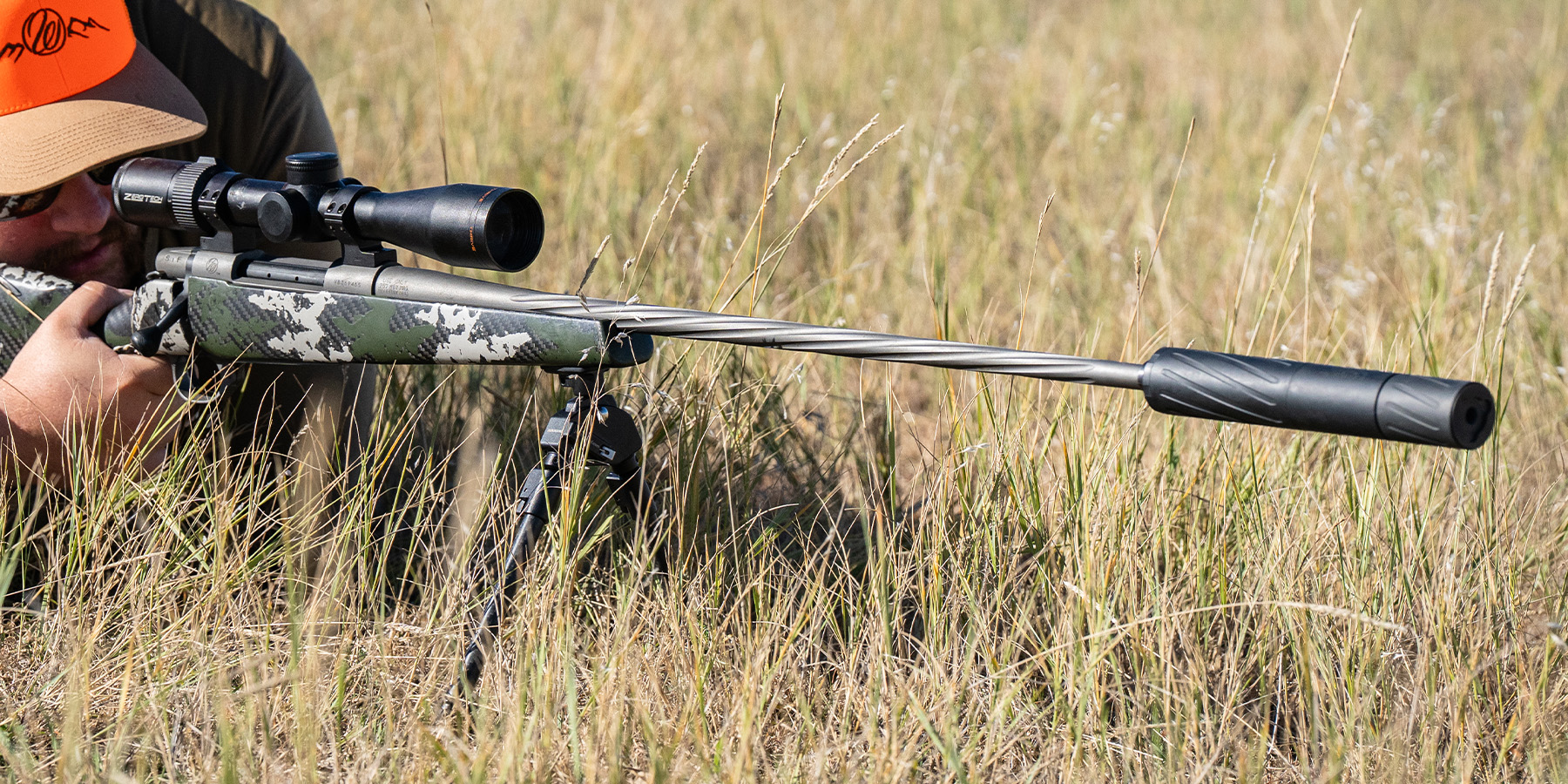
Vanguard Talon in 257 WBY with Banish 30
My Personal Experience
Before beginning my career at Weatherby three years ago, I can’t say I was a very proficient rifle shooter. I grew up shooting grandpa’s 30-06 like many of my friends in Wisconsin. It was “put the crosshairs on the deer and slowly pull the trigger”. I never had any formal training or knew the proper shooting form. Fast forward to my first antelope hunt out west and I was sighting in my rifle. I was borrowing a friend’s rifle. He hopped behind the gun, shot it at 100 yards and confirmed it was right where it needed to be. Then I got on the rifle. 3 shots, all about 2-3 inches right of where it should’ve been. After thinking for a bit, he goes “shoot again”. So I shot, same spot. But this time he noticed that I had been tightening up during the shot. That was causing my arm to clinch down and pull the shots off to the side. The muzzle brake was so loud that I was developing a flinch even with hearing protection on.
A couple months later, I bought my first Weatherby rifle. A 257 WBY MAG in the Vanguard Talon. I went to the range, sighted it in, and it was grouping great, but was still 2-3 inches to the right. I was having the same issue I had before. So, after learning how easy it was to order a suppressor from Silencer Central, I ordered a Banish 30 and put it on my rifle. I went to the range, re-sighted it in, and it was dialed. I was hitting exactly where I wanted to be. No flinch, no pulling, and all in the center of the target.
I can’t say that getting a suppressor is going to make you better shooter. Being able to shoot comfortably without the concussive blast coming from a muzzle brake made my rifle shooting 10x better and it fixed my flinch. I highly recommend anyone who hasn’t used one to give it a try. It makes shooting way more comfortable and to this day I never shoot without one.
Weight and Rifle Balance
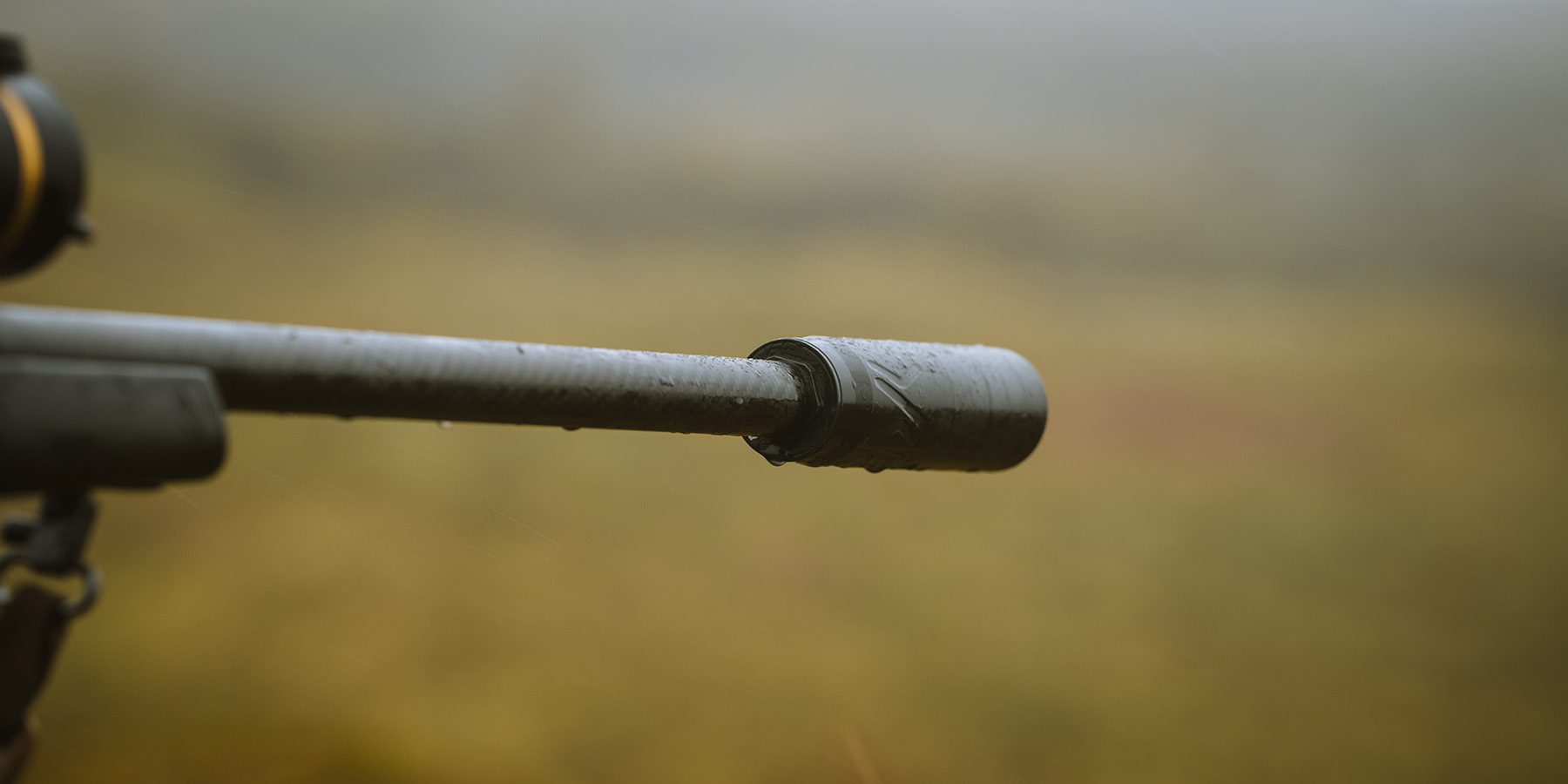
One of the biggest tradeoffs that comes with adding a suppressor is the additional weight and length. Depending on the model and material, a suppressor can add several ounces to your setup and change the overall balance of your rifle.
For backcountry hunters who spend several days hiking steep terrain, every ounce matters. Adding a suppressor to an ultralight rifle can take away some of the weight savings that went into building it in the first place. A rifle that once felt quick and easy to carry may feel noticeably heavier and longer with a suppressor attached.
On the other hand, hunters who spend most of their time hunting from blinds, stands, or more accessible terrain may not be as concerned with the added weight. In these situations, the benefits of reduced recoil and muzzle blast may outweigh the inconvenience of carrying a slightly heavier rifle. The important thing is to consider your complete rifle setup rather than looking at the weight of the suppressor alone.
Will a Suppressor Affect Your Rifle’s Accuracy?
Attaching a suppressor can change how your rifle performs. Adding weight to the end of a barrel can affect barrel harmonics and potentially change where your bullets impact the target. Depending on the rifle and suppressor combination, you may notice a shift in point of impact or a difference in group size.
If you plan on hunting with a suppressor, make sure your rifle is properly sighted in with it attached. Confirm your zero and practice from realistic field positions before heading into the field. The last thing you want is to discover a change in your point of impact on opening morning.
Is a Suppressor Right for Your Hunt?
At the end of the day, deciding whether to add a suppressor to your hunting rifle comes down to personal preference and the type of hunting you enjoy. For hunters who prioritize reduced muzzle blast, less felt recoil, and a more comfortable shooting experience, a suppressor can be a worthwhile addition. For others, particularly those building an ultralight backcountry rifle, the added weight and length may not be worth the tradeoff.
Before making a decision, consider the complete rifle setup, including cartridge, barrel length, suppressor weight, and intended application. If you decide to add one, spend time shooting your rifle with the suppressor attached and make sure you’re comfortable with how it handles. Always check current federal, state, and local regulations governing suppressor ownership and hunting use before heading into the field.
Like most hunting equipment, there’s no one-size-fits-all answer. Suppressors offer some real advantages, but they aren’t necessary for every hunter or every rifle. The best setup is the one that fits your style of hunting, gives you confidence behind the trigger, and performs when it matters most.
Leave a Reply