

There are a lot of things to consider when purchasing your next hunting rifle. Cartridge selection, barrel length, stock design, optics, and overall configuration all play an important role in finding the right setup. However, one of the most overlooked considerations is rifle weight. Finding the right starting weight can make a significant difference in how your rifle performs in the field, how comfortable it is to shoot, and how enjoyable it is to carry throughout a hunt.
Before settling on a rifle, it’s important to consider what you’ll be hunting and where you’ll be hunting it. Your intended application should help determine what kind of rifle makes the most sense. If you’re heading to Africa to pursue dangerous game with a .460 Weatherby Magnum, a five-pound rifle probably isn’t going to be your first choice. On the other hand, if you’re spending several days climbing steep mountain terrain in pursuit of sheep or mountain goats, every ounce you can save may be worth considering. The key is finding a balance between weight, performance, and the demands of your hunt.
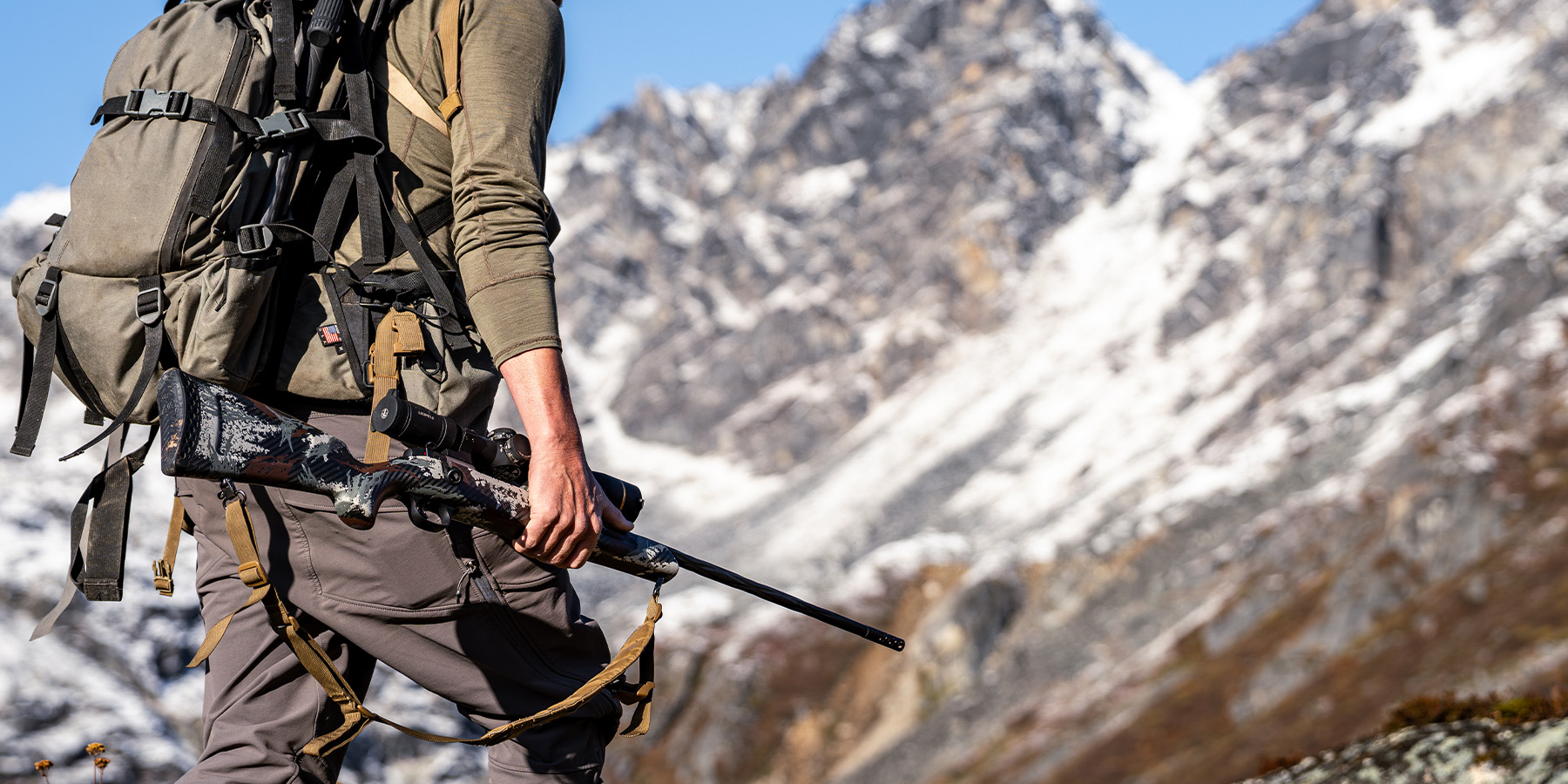
Mark V Backcountry Capra
Weight and Recoil
Weight and recoil have a direct relationship. Generally speaking, the heavier your rifle is, the less recoil you’ll feel when pulling the trigger. A lighter rifle will typically produce more felt recoil, making it more challenging to shoot comfortably, especially with larger magnum cartridges. This is an important consideration when choosing a rifle, particularly if you plan on shooting heavier-recoiling cartridges.
There are other ways to manage recoil, including muzzle brakes and suppressors. Both can make a noticeable difference in how a rifle feels when fired, although they come with their own considerations. Muzzle brakes can significantly reduce recoil but increase the noise and concussion experienced by the shooter. Suppressors can reduce both recoil and muzzle blast, but they also add weight and length to your overall setup. Ultimately, rifle weight is one of the most straightforward ways to manage felt recoil.
Weight and Stability
Another important consideration is stability. One of the tradeoffs that comes with a lightweight rifle is that it can be more difficult to hold steady, especially when shooting from unsupported positions. A heavier rifle generally provides a more stable platform, helping minimize movement in your crosshairs when shooting from a bench, tripod, or other supported position.
This can become especially important when you’re taking the time to settle in on a distant target. A little extra rifle weight can help reduce unwanted movement and make it easier to maintain a steady sight picture. However, weight alone doesn’t guarantee accuracy. Rifle balance, stock design, shooting position, and proper technique all play a role in making a consistent shot. Finding a rifle that feels natural in your hands and provides a stable shooting platform is just as important as looking at the number on the scale.
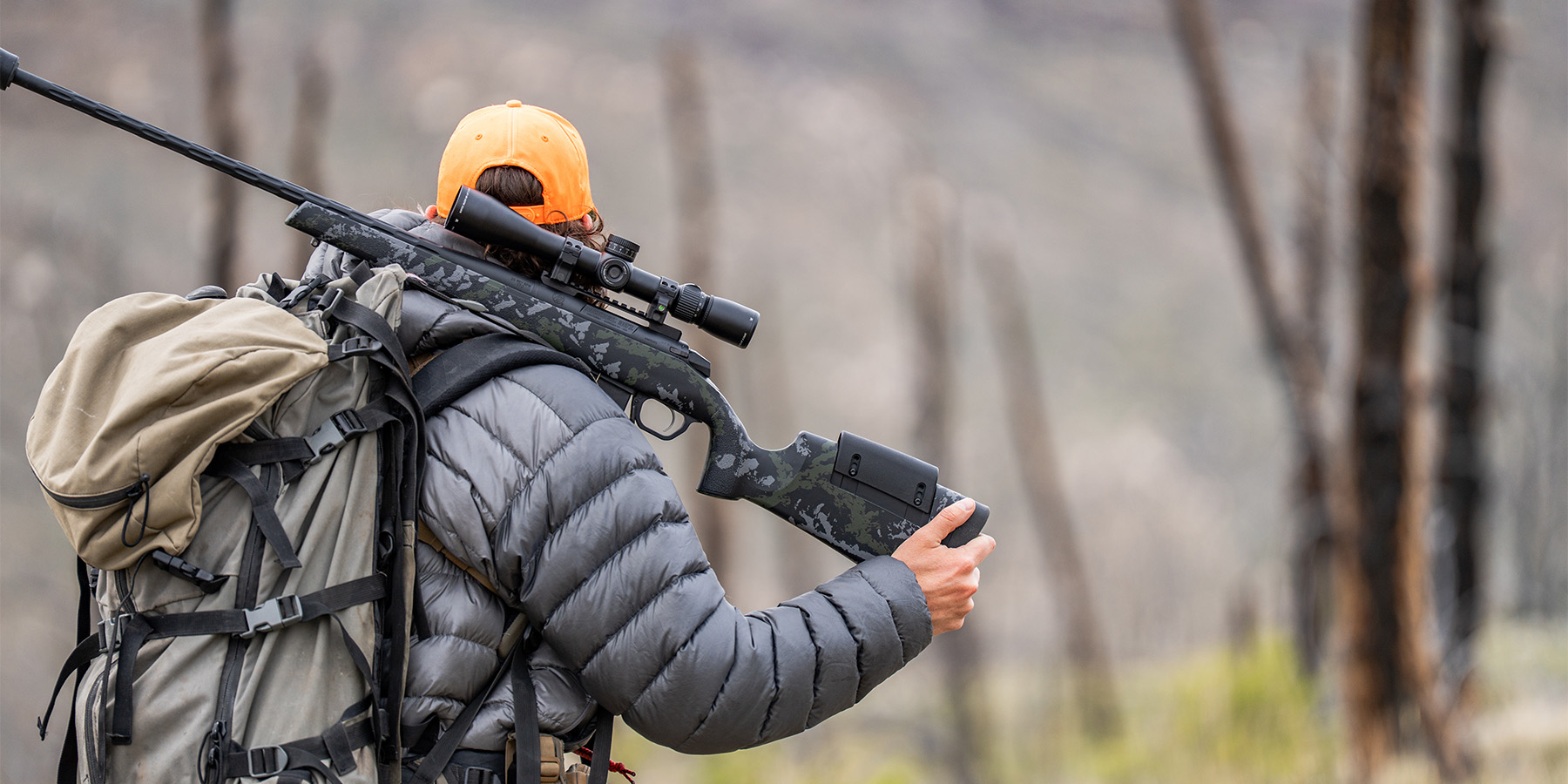
Model 307 Range XP 2.0
What Are You Using It For?
Perhaps the most important question to ask yourself is what you’ll actually be using your rifle for. Are you looking for a rifle to spend weekends shooting at the range? Are you primarily hunting whitetails from a tree stand? Or are you preparing for your next backcountry mountain goat hunt? Each of these pursuits comes with different demands, and your rifle selection should reflect that.
If you plan on spending several days hiking through steep mountain terrain with your rifle strapped to your pack, a lightweight setup is going to make a lot of sense. Every ounce adds up when you’re covering miles of rugged country, gaining elevation, and carrying everything you need to stay in the field. A rifle like the Mark V Backcountry Capra, starting at just 4.0 pounds, is designed with these types of hunts in mind. Its lightweight design makes it an appealing option for hunters who prioritize mobility without wanting to leave the performance of a capable hunting rifle behind.
On the other hand, if you’re a weekend hunter who spends most of your time walking a few hundred yards to a deer stand or hunting from a blind, carrying an ultralight rifle may not offer as much of an advantage. In these situations, a little extra weight can be beneficial, especially when it comes to recoil management and shooting stability. A rifle like the Mark V Accumark or Model 307 Range XP 2.0 may be a better fit for hunters who prioritize a more substantial shooting platform over minimizing every ounce.
Keep in Mind Your Overall Setup
One thing that’s easy to overlook when shopping for a hunting rifle is how much weight you’ll add after purchasing it. The listed weight of a rifle typically represents the rifle itself, not necessarily the setup you’ll carry into the field. Once you add an optic, rings, a sling, ammunition, a bipod, or a suppressor, your overall weight can increase considerably.
This is especially important for backcountry hunters who are trying to keep their packs as light as possible. A lightweight rifle can quickly become a much heavier setup depending on the accessories you choose. Before making a purchase, consider what your complete rifle configuration will look like and how much weight you’re comfortable carrying throughout the day. Sometimes choosing a slightly heavier rifle with fewer accessories can make more sense than starting with an ultralight rifle and adding weight back through your equipment.
At the end of the day, there isn’t one perfect rifle weight for every hunter. The best rifle is going to depend on your intended application, the cartridge you’re shooting, your personal preferences, and the type of country you plan to hunt. A rifle that’s perfect for a backcountry sheep hunt might not be the same rifle you’d choose for an African safari or a season spent hunting whitetails.
Before making your next purchase, think beyond the number listed on the spec sheet. Consider how far you’ll be carrying it, how it feels when you shoot it, and what kind of performance you expect from it. The lightest rifle isn’t always the best rifle, and the heaviest rifle isn’t always the most capable. Finding the right balance between weight, stability, and shootability is what ultimately makes a rifle a good fit for your next hunt.
Leave a Reply